





When Wisconsin’s harsh winter weather arrives, your vehicle’s tires become the most critical component between you and dangerous road conditions. Proper tire services and winter preparation can mean the difference between a safe journey and a roadside emergency. Little Wolf Automotive understands that Waupaca drivers face unique challenges with snow, ice, and freezing temperatures that demand expert tire installation, maintenance, and safety expertise you can trust.
Winter driving in Waupaca County requires more than just caution. It demands tires that can handle everything from fresh powder to black ice on Highway 10. Whether you’re commuting to Stevens Point or navigating rural Wisconsin roads, having the right tires and proper maintenance ensures your family’s safety throughout the challenging winter months.
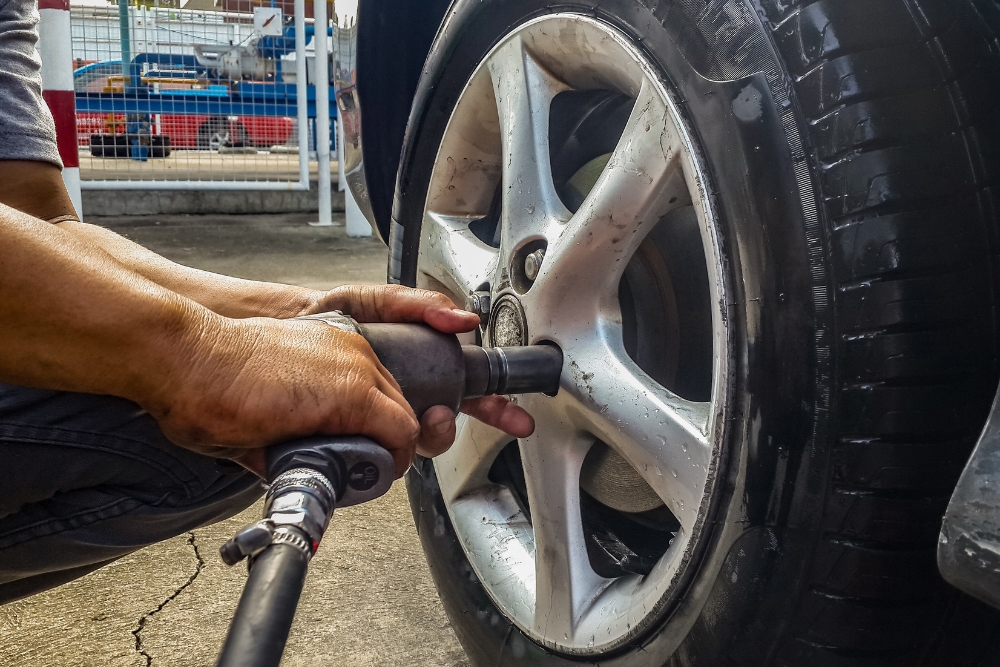
Why Winter Tire Safety Matters in Waupaca
Understanding Wisconsin’s Winter Driving Challenges
Waupaca’s location in central Wisconsin means drivers regularly encounter temperature swings, heavy snowfall, and icy conditions that can create hazardous driving situations. When temperatures drop below 45°F, standard all-season tires begin losing flexibility and traction capabilities. Winter tires are specifically engineered with softer rubber compounds and specialized tread patterns that maintain grip in cold conditions.
Your safety depends on having adequate tread depth, proper tire pressure, and the right tire type for Wisconsin’s winter conditions. Professional tire services ensure your vehicle can handle sudden weather changes and maintain control during emergency maneuvers.
The Cost of Poor Tire Maintenance
Neglecting tire maintenance during the winter months can lead to:
- Increased stopping distances on snow and ice
- Higher risk of hydroplaning on slush
- Tire blowouts from improper inflation
- Reduced fuel efficiency
- Expensive emergency repairs
Regular tire rotation and professional inspections help identify potential problems before they become safety hazards or costly breakdowns.
Essential Winter Tire Services for Safe Driving
Professional Tire Installation and Selection
Choosing the right tires for your vehicle and driving conditions requires expertise that comes from years of experience. Little Wolf Automotive’s experienced technicians understand which tire brands and tread patterns work best for different vehicle types and local driving conditions.
Professional tire installation ensures:
- Proper mounting and balancing
- Correct valve stem replacement
- Accurate torque specifications
- TPMS sensor programming when needed
Tire Repair Services You Can Trust
Even the best-maintained tires can suffer damage from road hazards, especially during winter months when potholes and debris are more common. Professional tire repair services can often save you money compared to premature tire replacement.
Common tire repair services include:
- Puncture repairs from nails or screws
- Sidewall damage assessment
- Valve stem replacement
- Emergency roadside repairs
Regular Tire Rotation for Even Wear
Tire rotation is one of the most cost-effective ways to extend tire life and maintain consistent traction. Front tires typically wear faster due to steering and braking forces, while rear tires may develop different wear patterns based on your vehicle’s drivetrain.
Benefits of professional tire rotation:
- Extended tire lifespan
- Improved fuel economy
- Better traction and handling
- Reduced road noise
Winter Tire Types and When to Use Them
All-Season vs Winter Tires
While all-season tires provide year-round convenience, they’re a compromise solution that may not offer optimal performance in severe winter conditions. All-season tires work well for mild winter weather but lack the specialized features of dedicated winter tires.
Winter tires excel in temperatures below 45°F and provide:
- Superior snow and ice traction
- Shorter stopping distances in cold conditions
- Better handling on slippery surfaces
- Enhanced tread design for grip
Studded Tires and Tire Chains
For extreme winter conditions, studded tires or tire chains may be necessary. However, Wisconsin has specific regulations regarding studded tire use, and improper installation can damage your vehicle or create safety hazards.
Professional guidance helps you understand:
- Legal requirements for studded tires
- Proper chain installation techniques
- When additional traction aids are necessary
- Storage and maintenance requirements
Critical Tire Maintenance for Winter Safety
Tread Depth and the Penny Test
Adequate tread depth is essential for winter traction and safety. While the legal minimum tread depth is 2/32 of an inch, winter driving requires at least 4/32 of an inch for safe performance. The penny test provides a quick way to check tread depth, but professional measurement ensures accuracy.
Signs you need new tires:
- Tread depth below 4/32 of an inch
- Uneven wear patterns
- Visible cords or steel belts
- Sidewall cracks or bulges
- Age-related deterioration
Proper Tire Inflation in Cold Weather
Cold temperatures cause tire pressure to drop approximately 1-2 PSI for every 10-degree temperature decrease. Underinflated tires reduce fuel economy, increase wear, and compromise safety, especially in winter conditions.
Proper tire pressure maintenance includes:
- Monthly pressure checks
- Temperature-adjusted inflation
- Spare tire pressure verification
- TPMS system monitoring
Need professional tire services in Waupaca? Visit Little Wolf Automotive at 323 S Western Ave, Waupaca, WI 54981, or call (715) 258-0200 to schedule your winter tire inspection and service today.
Wheel Alignment and Suspension Impact
How Alignment Affects Tire Performance
Proper wheel alignment ensures your tires make optimal contact with the road surface, which is especially critical during winter driving. Misaligned wheels cause uneven tire wear, reduce fuel efficiency, and compromise vehicle handling when you need it most.
Common alignment issues include:
- Vehicle pulling to one side
- Steering wheel off-center
- Uneven tire wear patterns
- Vibration while driving
Suspension Components and Tire Life
Your vehicle’s suspension system works closely with your tires to provide stability and control. Worn suspension components can cause premature tire wear and reduce winter driving safety.
Key suspension components that affect tire performance:
- Shock absorbers and struts
- Ball joints and tie rod ends
- Control arms and bushings
- Sway bar links
Why Choose Professional Tire Services
Expert Knowledge and Equipment
Professional tire services provide expertise and specialized equipment that ensure proper installation, balancing, and maintenance. Little Wolf Automotive’s technicians have the training and tools necessary to handle all tire-related services safely and efficiently.
Professional advantages include:
- Specialized mounting and balancing equipment
- Access to manufacturer specifications
- Proper disposal of old tires
- Warranty coverage on services performed
Comprehensive Vehicle Inspections
Professional tire services often include comprehensive vehicle inspections that can identify potential problems before they become safety hazards or expensive repairs. This proactive approach helps ensure your vehicle remains safe and reliable throughout Wisconsin’s challenging winter months.
Little Wolf Automotive’s Complete Tire Services
Bridgestone, Firestone, and Toyo Tire Options
As an authorized Bridgestone, Firestone, and Toyo tire retailer, Little Wolf Automotive offers access to high-quality tire options that meet the demanding requirements of Wisconsin driving conditions. These partnerships ensure you receive genuine products backed by manufacturer warranties.
Professional Installation and Service
Little Wolf Automotive’s experienced technicians provide complete tire services, including installation, balancing, rotation, and repair. Our team understands local driving conditions in Waupaca County and can recommend the best tire solutions for your specific needs.
Convenient Service Options
We understand that tire service needs don’t always happen at convenient times. Little Wolf Automotive offers:
- After-hours drop-off service
- Loaner vehicles during service
- Shuttle service for your convenience
- Professional consultations and estimates
Seasonal Tire Storage and Maintenance Tips
Proper Tire Storage Techniques
If you use seasonal tires, proper storage helps maintain tire condition and extends their lifespan. Incorrect storage can cause flat spots, cracking, or other damage that compromises safety and performance.
Best storage practices include:
- Clean tires before storage
- Store in a cool, dry location
- Avoid direct sunlight exposure
- Maintain proper inflation pressure
- Stack tires properly to prevent deformation
Pre-Season Tire Preparation
Before installing seasonal tires, a professional inspection ensures they’re safe and ready for use. This includes checking for damage that may have occurred during storage and verifying the proper condition for safe operation.
Emergency Tire Situations and Solutions
Recognizing Tire Emergencies
Understanding when you have a tire emergency can prevent dangerous situations and protect your safety. Some tire problems require immediate attention, while others can be addressed during regular maintenance visits.
Immediate attention required for:
- Rapid air loss or flat tires
- Visible tire damage or separation
- Unusual vibration or pulling
- TPMS warning lights
- Strange noises from the tire area
What to Do in Emergency Situations
When you experience a tire emergency, your safety is the top priority. Knowing how to respond can prevent accidents and minimize damage to your vehicle.
Emergency response steps:
- Safely pull over and assess the situation
- Use hazard lights and emergency equipment
- Contact professional assistance if needed
- Avoid driving on damaged tires
FAQs About Winter Tire Services in Waupaca
When should I switch to winter tires?
You should switch to winter tires when temperatures consistently drop below 45°F, typically in late October or November in Wisconsin. Winter tires provide better traction and safety in cold conditions, even without snow on the ground.
How often should I rotate my tires?
Tire rotation should be performed every 5,000 to 7,500 miles or as recommended by your vehicle manufacturer. Regular rotation ensures even wear and extends tire life, especially important during harsh winter conditions.
What tire tread depth is safe for winter driving?
While the legal minimum is 2/32 of an inch, winter driving requires at least 4/32 of an inch of tread depth for safe performance. Consider replacing tires when tread depth approaches 4/32 for optimal winter traction.
How does cold weather affect tire pressure?
Cold weather causes tire pressure to drop approximately 1-2 PSI for every 10-degree temperature decrease. Check tire pressure monthly and adjust as needed to maintain proper inflation for safety and fuel economy.
Can I repair a tire with a nail in it?
Many tire punctures can be safely repaired if the damage is in the tread area and the puncture is smaller than 1/4 inch. A professional assessment determines whether repair is safe or if tire replacement is necessary.
Schedule Your Winter Tire Service in Waupaca Today
Don’t wait until the first snowfall to prepare your vehicle for winter driving. Professional tire services from Little Wolf Automotive ensure your tires are ready to handle whatever Wisconsin weather brings your way. Our experienced team provides comprehensive tire installation, repair, rotation, and wheel alignment services backed by our 3-year, 36,000-mile warranty.
Ready to ensure your winter driving safety? Schedule your tire service today with Waupaca’s destination for hometown auto repair. Visit us at Little Wolf Automotive, 323 S Western Ave, Waupaca, WI 54981, or call us at (715) 258-0200 to book your appointment.
We look forward to helping you stay safe on Wisconsin’s winter roads.