





If your brakes are squealing every time you slow down this spring, you’re not imagining things. After months of winter salt, slush, and fluctuating temperatures, brake components can develop surface rust, corrosion, and wear that causes those annoying squeaks. At Little Wolf Automotive in Waupaca, we specialize in comprehensive brake service and brake repair that goes beyond quick fixes to ensure your vehicle stops safely on Wisconsin’s spring roads. Whether you need a simple pad inspection or a complete brake repair, our experienced technicians thoroughly inspect your entire brake system to find the root cause and restore your braking performance.
Spring is the perfect time to address squeaky brakes before minor issues turn into expensive repairs.
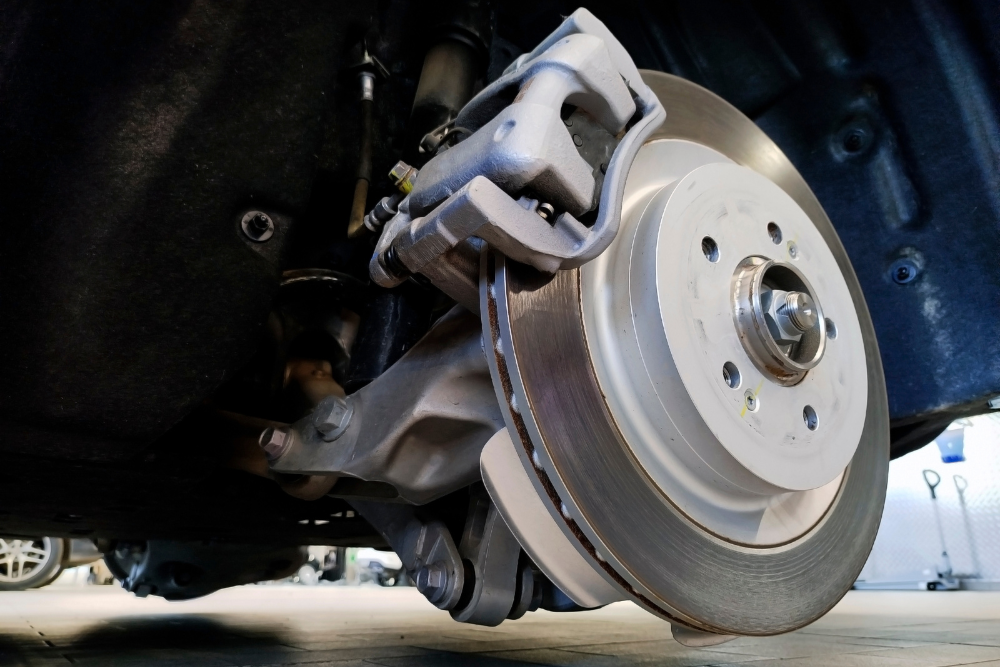
Why Do Brakes Squeak More in Waupaca’s Spring Season?
Winter takes a serious toll on your braking system. Road salt, moisture, and temperature swings all work against your brake components in ways that show up once spring arrives.
Winter’s Impact on Brake Components
Road salt penetrates brake assemblies and creates a corrosive environment. Moisture combines with salt residue to form rust on rotors, especially when your vehicle sits overnight. That’s one of the most common reasons you’ll hear squeaking when you first hit the brakes in the morning.
Temperature Fluctuations and Debris Buildup
- Spring temperature swings cause brake pads and rotors to expand and contract, creating small gaps and vibrations.
- Some pad materials become more prone to noise in cool, damp conditions.
- Sand, dirt, and road grit accumulate in calipers throughout winter and can shift once temperatures warm up, creating friction points that squeal.
When Squeaky Brakes Signal a Real Problem
Not all brake noises are the same. Some are harmless, others are urgent.
Morning Squeaks vs. Persistent Noise
If your brakes squeak only for the first few stops and then go quiet, that’s likely surface rust burning off as the rotors heat up. That’s normal. But if squeaking continues throughout your drive or gets worse over time, your pads may have worn down to the wear indicators. Those are small metal tabs designed to alert you when it’s time for replacement.
Sounds That Need Immediate Attention
- Grinding: Metal-on-metal contact means the pads are gone, and the backing plates are scraping rotors. Stop driving and get it checked.
- Pulsating pedal: A vibrating or pulsating brake pedal usually points to warped rotors from freeze-thaw cycles. This reduces braking efficiency and needs professional attention.
What’s Included in Professional Brake Service in Waupaca
What’s Included in Professional Brake Service in Waupaca
Complete Brake System Inspection
Our technicians examine:
- Brake pad thickness and wear patterns
- Rotor condition, scoring, and warping
- Caliper operation and leaks
- Brake lines for corrosion or damage
Rotor and Caliper Service
Rotors are measured against manufacturer specs. In most cases, brake pads and rotors are replaced together to ensure even performance and avoid uneven wear. If they’re heavily corroded, deeply scored, or below minimum thickness, we recommend replacement. We also clean caliper slides and pins, removing built-up salt and grit, and lubricate caliper components to ensure smooth, even pressure. This step is often skipped at quick-service shops but is essential for lasting performance.
Brake Fluid Inspection
Brake fluid absorbs moisture over time, which lowers its boiling point and can cause brake fade or internal corrosion. We check the condition and level during every brake service. If the fluid looks dark or contaminated, a brake fluid exchange protects your system’s hydraulic components.
Why Choose Little Wolf Automotive for Brake Repair in Waupaca
Little Wolf Automotive has been Waupaca’s destination for hometown auto repair since 2006. We’ve built our reputation on honest work and quality results that last.
- Experienced technicians who know how Wisconsin weather affects brake systems
- Quality parts meeting or exceeding OE specs, backed by our 3-year, 36,000-mile warranty
- Certified ASE shop and Bridgestone and Firestone affiliated retailer
- Loaner cars, shuttle service, and after-hours drop-off for your convenience
- Transparent communication so you know exactly what your vehicle needs and why
- Specialization in brake lines and fuel lines, completing 2 to 3 repairs per week
Ready to get your brakes checked? Visit us at 323 S Western Ave, Waupaca, WI 54981, or call (715) 258-0200 to schedule your appointment.
How Often Should You Get Your Brakes Checked?
Have your brakes inspected at every oil change. That gives your technician regular opportunities to measure pad thickness and catch developing issues early.
For most Waupaca County drivers, brake pads last between 25,000 and 70,000 miles, depending on:
- Driving habits (stop-and-go vs. highway)
- Vehicle type and load (trucks towing trailers wear brakes faster)
- Road conditions and terrain
Between inspections, watch for these warning signs:
- Squeaking or grinding
- Pulling to one side when braking
- Soft or spongy brake pedal
- Brake warning light on your dashboard
Any of these symptoms means it’s time to schedule a brake inspection right away.
The Real Cost of Ignoring Brake Problems
Putting off brake repair almost always costs more in the long run:
- Worn pads damage rotors that would have been fine if the pads were caught earlier
- Damaged rotors require full replacement, increasing costs significantly
- Severely worn brakes can damage calipers, adding even more to the repair bill
- Stopping distances increase, especially on wet spring roads, where traction is already reduced
Your brakes are your vehicle’s most important safety feature. Waupaca’s hills and stop-and-go traffic demand a braking system that responds reliably every single time.
Spring Brake Service Checklist for Waupaca Drivers
Schedule a comprehensive inspection this spring that covers:
- Brake pad thickness on all four wheels
- Rotor thickness and condition
- Caliper operation and leak check
- Brake lines for corrosion or cracks
- Brake fluid condition and level
- Test drive to identify any unusual brake behavior
Our technicians will explain exactly what they find and recommend only what your vehicle actually needs. No pressure, no unnecessary repairs.
FAQs About Brake Service and Squeaky Brakes
How often should I get brake service?
Brakes should be inspected at every oil change to monitor pad thickness and catch wear early. Most drivers need brake pad replacement every 25,000 to 70,000 miles, depending on driving habits and road conditions.
Why do my brakes grind in the morning?
Morning brake grinding is usually surface rust forming on rotors overnight from moisture and road salt. If grinding continues beyond the first few stops or happens every time you brake, schedule a brake repair appointment immediately.
What is included in a brake service?
A complete brake service covers pad inspection and replacement, rotor evaluation and servicing, caliper cleaning and lubrication, and a brake fluid condition check. A thorough shop examines all components, not just the pads.
Are squeaky brakes dangerous?
Not always, but they can be. Light morning squeaking from surface rust is typically harmless. Persistent squealing or grinding during every stop indicates worn pads or damaged rotors and should be addressed before the problem worsens.
Schedule Your Brake Service in Waupaca Today
At Little Wolf Automotive, Waupaca’s Destination for Hometown Auto Repair, we believe safe brakes shouldn’t be complicated. Don’t let squeaky brakes turn into a costly repair or safety hazard this spring. We serve drivers throughout Waupaca County with the professional service and quality workmanship you deserve.
Visit us at Little Wolf Automotive, 323 S Western Ave, Waupaca, WI 54981, or call (715) 258-0200 to book your appointment. We also have locations in Wausau, Rothschild, and Antigo to serve you better.